By Chris Eldridge | Dietitian and Diabetes Educator
8 minute read
Published 6 July 2026
Regular health checks can help you manage your diabetes well. As well as detecting any changes in your health early on, which can lead to more effective treatment, regular tests can provide your doctor with valuable information about how your body is responding to the condition and any medication and help reduce the risk of health complications.
Add these annual checks to your health calendar to complete your diabetes care cycle each year.
A HbA1c test (glycated haemoglobin) measures your average blood glucose over the past 8–12 weeks. As well as being used to diagnose type 2 diabetes and prediabetes, the HbA1c can monitor blood glucose in those living with type 1 and type 2 diabetes and indicate any changes needed in management and treatment. The risk of serious complications such as kidney disease and eye and nerve damage as a result of high blood glucose over time can be reduced with regular HbA1c testing. Those living with type 1 diabetes typically have an HbA1c test every 3–6 months. For type 2 diabetes, testing is usually every 6–12 months if blood glucose levels are stable, but may be more frequent if treatment is changing or levels are not at target.
Ask your doctor about how often to schedule your HbA1c tests.
People living with diabetes are twice as likely to have high blood pressure. This combination significantly increases the risk of heart disease, stroke and kidney disease. Monitoring your blood pressure when you live with diabetes can indicate any issues early on and reduce those risks through swift and effective treatment. Checking blood pressure at every GP visit, or at least every 6 months if readings are stable, is usually recommended.3
A blood test called a lipids test, or lipids panel, measures the amount of cholesterol and other fats in your blood. This is crucial in diabetes care as it can indicate your risk of heart disease. Diabetes puts extra strain on the heart and can make arteries narrower and more rigid. High cholesterol can cause the build-up of fatty deposits called plaque that also impacts artery health. Those living with diabetes should have an annual lipid test unless advised by their doctor to do more frequent testing. People living with heart disease and diabetes or on medication to help control cholesterol may need tests every 3-6 months. People may also need more frequent testing after starting or changing cholesterol-lowering medication.
Urine and blood tests are used to check kidney health, including urine albumin-to-creatinine ratio (ACR) and estimated glomerular filtration rate (eGFR). People living with diabetes are at an increased risk of kidney damage (nephropathy) and disease because high blood glucose levels over time damage the blood vessels, putting extra strain on the kidneys to work and filter waste. This causes structural damage and prevents the kidneys from functioning properly.6 People living with diabetes should have a kidney health check at diagnosis and annually thereafter. More frequent testing may be needed if signs of kidney disease are present.
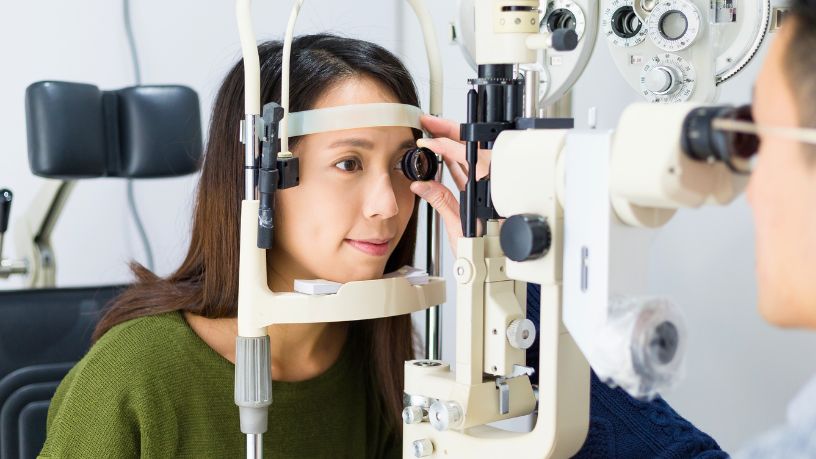
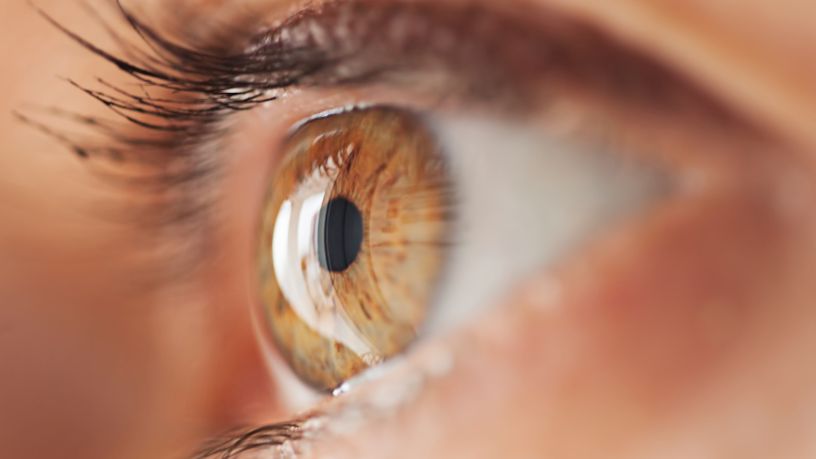
Diabetes can cause eye health complications. The good news is that even early signs can be detected in a routine eye exam by your optometrist, making eye tests one of the simplest and least invasive tests someone living with diabetes can have. Damage to the tiny blood vessels in the eye, such as leaking or bleeding, or the growth of new blood vessels, can all be signs of diabetic retinopathy, which, if left untreated, can lead to vision loss and blindness. Tell your optometrist if you live with diabetes.
People should have a diabetes eye examination at diagnosis, then at least every 2 years. If you notice any changes in your vision between eye checks, see your optometrist earlier.
A common complication caused by diabetes is nerve damage to the feet called neuropathy. Resulting in numbness, tingling, pain and loss of feeling in the feet and lower limbs, nerve damage can make it harder for people who live with diabetes to develop and feel sores or cuts that aren’t healing well. This increases the risk of ulcers and infection, which in severe cases may lead to complications including amputation. Annual comprehensive foot checks are recommended, and more frequent reviews may be needed if you are at higher risk. It’s also recommended to self-check every day.
Diabetes can slow the body’s healing response, meaning small cuts or sores are more susceptible to infection. Gum disease can also make blood glucose harder to manage, creating a two-way relationship between oral health and diabetes control. This applies to every part of your body, including your mouth. People living with diabetes are also more likely to have dry mouth and gum disease. Practising good oral hygiene and having regular checks with your dentist can help detect any problems before they become serious. Tell your dentist if you live with diabetes.
Your healthcare team will regularly review your medications to make sure they are working effectively and still suit your needs. This may include diabetes medicines, blood pressure tablets and cholesterol-lowering treatments. Reviews can help optimise your care and reduce the risk of side effects or complications.
Living with diabetes can affect your emotional wellbeing. Stress, anxiety and diabetes-related distress can make it harder to manage day-to-day care. Regular check-ins with your healthcare team can help you access support early if you are feeling overwhelmed or struggling.
Tracking weight and waist circumference can help monitor changes in metabolic health over time. These measurements can also guide personalised care plans and support goals around blood glucose, heart health and overall wellbeing.
People living with diabetes are at higher risk of complications from infections. Vaccinations such as the annual flu vaccine, pneumococcal vaccine and COVID-19 boosters may be recommended depending on age and health status. Speak with your GP about what’s right for you.
If you smoke, quitting is one of the most effective ways to reduce your risk of diabetes-related complications. Smoking increases the risk of heart disease, stroke and circulation problems. Your healthcare team can provide support and resources to help you quit.
Regular conversations about physical activity, nutrition and daily routines can support better blood glucose management and overall health. Small, sustainable changes can make a meaningful difference over time.
If you use insulin, your healthcare provider may check injection sites for changes such as lipohypertrophy (lumpy or thickened tissue). These changes can affect how insulin is absorbed and may impact blood glucose control. Rotating injection sites can help reduce this risk.
Call us on 1300 030 238 (Mon-Fri, 9am-5pm AEST) to speak with one of our health professionals or register for a call back to find out what programs are available to you.

Our health and wellbeing information is regularly reviewed and maintained by a team of healthcare experts, to ensure its relevancy and accuracy. Everyone's health journey is unique and health outcomes vary from person to person.
This content is not a replacement for personalised and specific medical, healthcare, or other professional advice. If you have concerns about your health, see your doctor or other health professional.
Getting to the optometrist every 2 years might not always be at the top of your mind, but did you know an eye check can detect more than just vision loss?
It’s important to make sure you get the right health checks throughout your life, from your 20s to your 50s and beyond. Check out our guide to learn more.
Bupa Optical Head Optometrist Karen Makin talks about the importance of regular eye exams to help prevent diabetes-related vision loss and blindness.
Bleeding gums and other mouth changes can reveal more than just dental problems. Bupa’s Head Dentist Dr Cathryn Madden explains what your oral health reveals about your type 2 diabetes risk.
1 Health Direct. (2025). HbA1c test.
2 Johns Hopkins Medicine. (n.d.). Diabetes and high blood pressure.
3 Diabetes Australia. (n.d.). Blood pressure and diabetes.
4 Better health Channel. (2021). Diabetes long-term effects.
5 Diabetes Australia. (n.d.). Annual cycle of care.
6 International Diabetes Federation. (n.d.). Kidneys.
7 Diabetes Feet Australia. (2024). Diabetes feet health passport.