By Dr Cathryn Madden Dentist

8 minute read
Published 8 June 2026
Dr Cathryn Madden Dentist
Dr Cathryn Madden is the Head Dentist of Bupa’s Dental Care Clinical Team. Still a practising dentist part-time, Cathryn migrated from the UK to Melbourne with her husband in 2010.
By Dr Cathryn Madden Dentist
If you’re getting dental checks and cleans with your dentist every 6-12 months, well done. We recommend these regular appointments to help prevent oral health problems, including tooth decay and gum disease.1
While you might think your dentist is just looking for problems with your teeth and gums, we’re actually doing a lot more. Simply by looking in your mouth, dentists can detect multiple health concerns based on how your teeth, gums, cheeks and even lips respond to examination.
If you’re diligent about getting regular checks, your dentist is in a unique position to track the progress of oral health and potential issues. If a tooth extraction site isn’t healing well, or if you have inflammation of the gums that isn’t responding to usual treatments, your dentist will see that over time and refer you to your GP if they think it’s necessary.
Most importantly, some early signs of chronic health conditions can appear in the mouth and be spotted by your dentist.
There are several ways poor oral hygiene is linked to some serious health problems.
Bacteria in the mouth can cause gum disease, but it can also increase the risk of cardiovascular issues.
Studies show that people with gum disease can have up to a 28% increased risk of heart disease.2 Oral bacteria can get into the blood stream and impact arteries, leading to dangerous blockages.3
The body’s immune response to inflammation caused by bacteria in the mouth may cause damage to the heart and brain. Experts also suggest there may be a link between oral health and the liver, with 68% of people with cirrhosis having gum disease.4
Other signs of health problems include a sore tongue or ulcers in the mouth that can be caused by an iron deficiency, ulcers or cold sores on the lip that can be a sign of a virus, and tooth enamel erosion can come from acid reflux and some eating disorders.
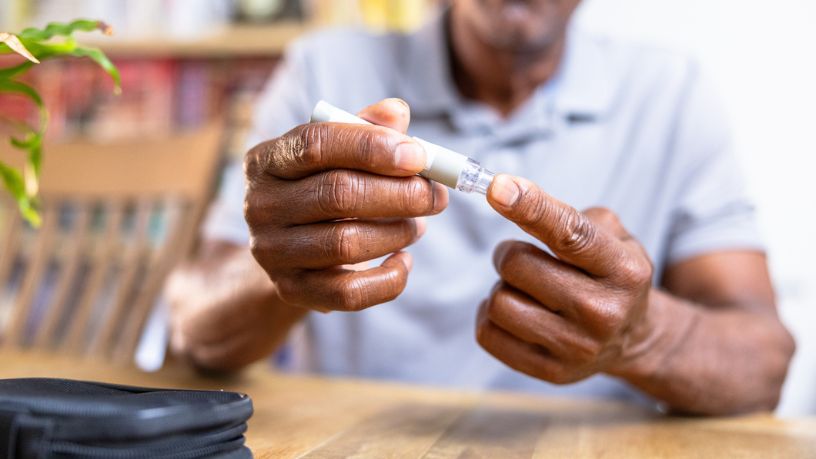
Type 2 diabetes is a chronic health condition impacting more than 1.3 million Australians.5
People living with diabetes or prediabetes or those who are at a high risk of developing diabetes need to be vigilant about oral hygiene and care.
Diabetes can cause oral issues including cavities, dry mouth, gum disease and slower than usual recovery and healing from possible infections or trauma to the mouth, such as a tooth extraction.6
Reasons for this include the presence of a higher level of sugar in saliva in people living with diabetes. Bacteria thrive on sugar, increasing the chance of cavities and gum disease developing.
People living with diabetes may also have compromised immune response meaning an infection that would heal quickly in some people, will take longer and has more risks of complication.
Diabetes and some medicines used to treat diabetes can cause the salivary glands in your mouth to make less saliva. We know that saliva is a protective factor against tooth decay and gum disease, so a drier mouth can be more susceptible to these conditions.
Other oral signs that can be linked to diabetes include oral fungal infections and or altered taste. Watch out for things like blood when you brush or floss, sore spots on the gums, inflammation or an overly dry mouth. If you see any of these signs, don’t wait for your 6 monthly check up, see your dentist straight away.
Overnight, we don’t have the level of saliva in our mouths, so it can get dry and foster bacteria. Brushing your teeth with a fluoride toothpaste as soon as you wake up, before you eat or drink anything, can help reduce any bacteria that has built up overnight and protect your tooth enamel. Yes, your brekkie might taste a bit minty, and you might even want to have a quick brush or mouthrinse before you leave the house, but early morning brushing is a good idea.
Bacteria love sugar, so the more times a day you consume sugar, the more chances bacteria have to thrive. Limit the amount of sugar you eat and drink, and how many times a day you have sugar, and don’t consume any sugar before you have brushed your teeth in the morning, when your mouth is at its most vulnerable, or after brushing at night.
Every time we eat anything or drink anything other than water, we are giving bacteria a chance to grow in the mouth and between the teeth. Grazing all day doesn’t give our mouths the chance to rest and recover. Eating a well-balanced diet of 3 meals and 2 snacks is better for our oral health than grazing all day.
Brushing 2-3 times a day and flossing once a day is the gold standard of oral health. You can do more, but be careful not to overdo it, as this can lead to gum recession and wearing away of enamel.
Prioritising high-fibre foods (fruit, vegetables, nuts, seeds and wholegrains), lean protein (fish, chicken, tofu), and low-GI carbohydrates (oats, quinoa, beans, lentils) can help support stable blood sugar and reduce the fuel for bacteria in your mouth.
Tell your dentist if you have a family history of diabetes, if you’re living with diabetes or prediabetes, or if you have any concerns about your oral health and diabetes. See your dentist every 6 months so that any issues can be treated in their early stages.
At Bupa, trust is everything
Our health and wellbeing information is regularly reviewed and maintained by a team of healthcare experts, to ensure its relevancy and accuracy. Everyone's health journey is unique and health outcomes vary from person to person.
This content is not a replacement for personalised and specific medical, healthcare, or other professional advice. If you have concerns about your health, see your doctor or other health professional.
1 Health Direct. (2024). Dental care and teeth cleaning.
2 Zaman, M. S., Alam, S. M. G., & Razzaque, M. S. (2025). Oral hygiene and cardiovascular health. Hygiene, 5(2), 14.
3 Harvard Health. (2026). Gum disease and the connection to heart disease.
4 VCU Health. (2025). A hidden link between gum disease and liver health.
5 Diabetes Australia. (2026). Diabetes in Australia.
6 Better Health Channel. (2025). Diabetes and oral health. Victoria State Government.
It’s important to make sure you get the right health checks throughout your life, from your 20s to your 50s and beyond. Check out our guide to learn more.
Diabetes can be complex, so naturally there are a lot of myths floating around about how you get it, treat it and ‘cure’ it. But what’s the truth?
Understanding the different types of diabetes helps you take control of your health and reduce future risk.
When Natalie was diagnosed with pre-diabetes, she knew she had to make some adjustments. Find out how her journey changed her life.
Bupa acknowledges and shows respect to the Traditional Custodians of Australian land. We pay our respects to Elders past and present and recognise their cultural heritage, beliefs, and continuing connection to land, waters, and community. We embrace their knowledge on how to protect and nurture these lands, and all they contain, to keep this country and people healthy.