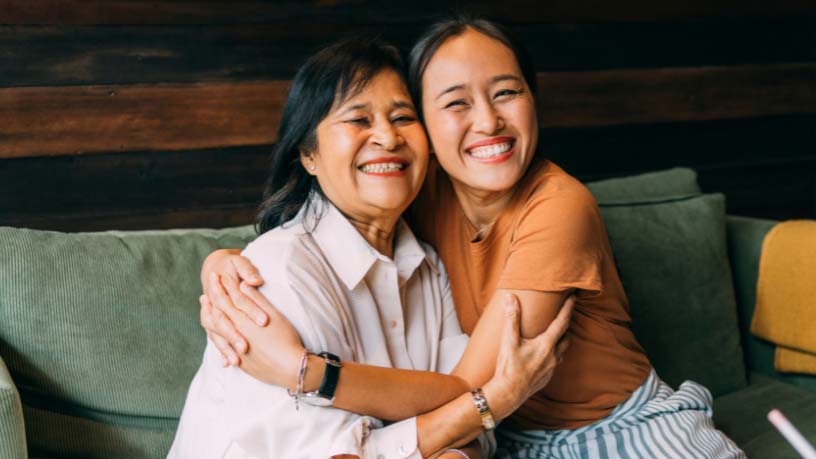
Making connections with others is possible even if you feel lonely.

By Tracy McBeth Writer

4 minute read
Published 11 April 2024
Making connections with others is possible even if you feel lonely.
Talking to your doctor may help reduce social anxiety.
Tracy McBeth Writer
Tracy is a journalist with a passion for promoting good health, both mentally and physically.
By Tracy McBeth Writer
Strong relationships are important for your mental health.
Having strong social relationships is extremely important for your mental health.
Older adults who spend quality time with others report more positive moods and do more physical activity than those who spend time alone.1
“Everyone can feel lonely or be socially isolated, but older people are more susceptible,” confirms researcher at the University of Adelaide, Dr Debbie Faulkner.
“It’s a time of life with significant life change, and those changes can result in social isolation.”
There are many possible causes for social isolation, including feeling disconnected from your community or other lifestyle factors. Many of these can be associated with age.
When you’re older, you’re more likely to:
Social isolation can have a big impact on your mental and physical health.2
This can result in:
Studies on social isolation show the absence of support in social relationships may be:
We've put together a list of services for free support that's relevant to where you live, and what you're going through.
If you feel lonely, there are some simple ways you can connect with people.
If you feel anxious about social situations, talk to your GP. They will be able to suggest support services to help you.
Lifeline Australia offers 24/7 crisis support online and on the phone at 13 11 14.
Beyond Blue offers 24/7 mental health information and support online and on the phone at 1300 224 636.
At Bupa, trust is everything
Our health and wellbeing information is regularly reviewed and maintained by a team of healthcare experts, to ensure its relevancy and accuracy. Everyone's health journey is unique and health outcomes vary from person to person.
This content is not a replacement for personalised and specific medical, healthcare, or other professional advice. If you have concerns about your health, see your doctor or other health professional.
1Ahn, J., Falk, E., & Kang, Y. (2024). Relationships between physical activity and loneliness: A systematic review of intervention studies. Current Research in Behavioral Sciences, 6, 100141.
2Australian Government, Australian Institute of Health and Welfare. (2024) Social isolation and loneliness. Australian Government.
3US Public Health Service. (2023). Our Epidemic of Loneliness and Isolation: The U.S. Surgeon General’s Advisory on the Healing Effects of Social Connection and Community. US Public Health Service.
It’s important to make sure you get the right health checks throughout your life, from your 20s to your 50s and beyond. Check out our guide to learn more.
Depression can look different for everyone. We spoke to a psychologist to find out how to recognise the symptoms of depression and where to get help.
Small changes to your daily life can have a big impact on your health as you age. Discover 5 ways to support women’s healthy ageing.
A guide to helping men recognise symptoms of anxiety and depression, find support, and improve their mental health.
Bupa acknowledges and shows respect to the Traditional Custodians of Australian land. We pay our respects to Elders past and present and recognise their cultural heritage, beliefs, and continuing connection to land, waters, and community. We embrace their knowledge on how to protect and nurture these lands, and all they contain, to keep this country and people healthy.