
By Blua Digital health by Bupa
Key takeaways
- You can travel with your GLP-1 medication, but there may be some country-specific restrictions.
- Always declare your medication and injectable pens to the authorities when travelling.
- Ask your doctor for an official letter stating your medication is for your use only.
If you’re currently taking GLP-1s for diabetes treatment or weight loss management, or considering starting the medication, you might be concerned about how you can travel safely, both around Australia and overseas.
Follow these simple rules to make sure bringing your medication on holidays is smooth sailing.
Travelling with GLP-1s
Whether it’s a long road trip up the coast or a longer flight overseas, it’s important to do some preparation when you’re travelling with GLP-1s.
If you’re travelling through an airport, there are some important factors to consider.
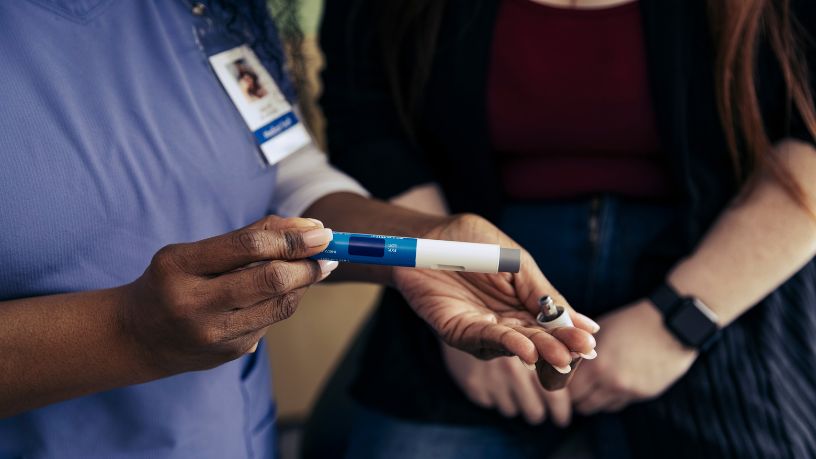
Currently, most GLP-1s are taken via a small injectable pen. Different countries and Customs may have strict regulations about carrying needles or ‘sharps’ through airports and across borders into other states or countries. It’s important to research the rules in your destinations before you travel, so you can carry appropriate documentation and know how to carry both the medication and the pen.
Most GLP-1 medications come in pre-filled injection pens containing a liquid solution. Liquid restrictions usually don’t apply to prescription medicines, but you may need to declare them at security.
Check your origin and destination rules and regulations on the country’s embassy website or visit Smart Traveller for all Australian info.
Even if you aren’t leaving the country or even your state or territory, travelling with GLP-1s can still require some preparation to make sure you have enough of your medication for your trip. You also need to check how the mediation should be stored when you’re on the move to make sure it's being transported in a way that doesn’t compromise the efficacy.
Travelling with GLP-1s Checklist
Follow these simple steps to avoid complications when travelling with GLP-1s.
Do some research
Check the rules for medications and medical sharps at your destination, especially if you’re travelling interstate or overseas. This helps you avoid surprises at security or customs. Many countries limit the amount of medication you can import.
See your prescribing doctor
Ask your doctor for a letter with the original prescription attached that includes:
- your name
- your medication and dose
- your medical condition
- confirmation it’s for personal use only
You may also need a new prescription if you’ll run out while travelling.
Retain original packaging
Keep all the original boxes and packaging and your medication together. Your prescription information and name should be clearly visible and align with the information on your doctor’s letter.
Keep all medications in carry-on baggage
Do not put your medications or injectables in checked baggage. Temperatures in the checked baggage area of the aeroplane can damage medication and make it ineffective. Travelling with sharps and liquid medications is often exempt from usual cabin restrictions. However, it's always important to declare you are travelling with these items when checking in and at security and customs desks.
Use a cooler bag or ice pack
If your medication needs to be kept refrigerated, you can use a medical-grade cool bag or ice gel packs. This is also important on a road trip, as car trunks and glove boxes can get too hot for your medication. Diabetes Australia sells medication-specific bags and cases, or you can buy small cool bags online or in local stores. You’ll need to declare any gel or ice packs to customs and security, and at check-in.
Sort the details before you go, and then it’s all about switching off and enjoying your time away.
Medication rebates
Bupa may pay benefits towards certain medications prescribed for weight loss management and obesity for eligible Bupa customers.
Blua Digital health by Bupa
Blua is Bupa’s new home for digital health services like online doctor appointments and delivery of prescription items and over-the-counter goods.
At Bupa, trust is everything
Our health and wellbeing information is regularly reviewed and maintained by a team of healthcare experts, to ensure its relevancy and accuracy. Everyone's health journey is unique and health outcomes vary from person to person.
This content is not a replacement for personalised and specific medical, healthcare, or other professional advice. If you have concerns about your health, see your doctor or other health professional.
You might also like

Eating well on GLP-1 weight loss medication
Used for weight loss, weight loss medications such as GLP-1s are becoming popular for weight management in Australia. Learn what to eat to stay healthy.
Your guide to GLP-1s and weight loss
Weight loss injections are becoming more popular but are they right for you and how can you get the best results?

What you shouldn't say to someone with type 2 diabetes
If someone you love has been diagnosed with type 2 diabetes, it can help to know what to say (and what to not say) to them.

Diabetes: 6 steps to healthier eating
Use these simple strategies to ensure you’re choosing the right foods to manage your diabetes.