
By Blua Digital health by Bupa
On this page
Key takeaways
- Your risk of breast cancer depends on many factors.
- You can have none of the known risk factors and still get breast cancer.
- Some breast cancer risk factors can't be changed, such as age, family history and biological sex.
Breast cancer is one of the most common cancers in women, although men can also develop it.
There is no single breast cancer risk factor. Age, family history, genetics and other factors can contribute to overall risk.
What are the breast cancer risk factors?
“Your breast cancer risk can be increased by many factors, but they do not mean that you will develop it,” explains Caitlin Vasica, Cancer Screening Manager at Cancer Council NSW.
“You can have none of the known risk factors and still be diagnosed with breast cancer.”
Some risk factors of breast cancer are unavoidable, while some are considered modifiable. Risk factors include:
Age and gender
- Biological sex is the strongest risk factor for breast cancer. Around 99% of breast cancer cases are diagnosed in women.1
- Risk of breast cancer increases with age for both men and women, with more than 3 in 4 breast cancer cases in women over the age of 50.2
Family history
- Having several close relatives on the same side of the family who have had breast or ovarian cancer may increase the risk of breast cancer.
- Having several close relatives on the same side of the family with prostate or pancreatic cancer may also indicate an increased risk of breast cancer.
- Around 5 to 10% of breast cancers are thought to be hereditary. BRCA1 and BRCA2 are the most common inherited gene variants that increase breast cancer risk.3
Type of breast tissue4
Dense breast tissue can increase the risk of breast cancer.
Reproductive factors4
- Never giving birth
- Never breastfeeding
- Being older than 30 when you give birth to your first child
- Starting your period before the age of 12
- Going through menopause after 55 years old
Lifestyle factors4
- Being overweight
- Gaining weight after menopause
- Drinking alcohol. The more you drink, the higher your risk.
- Not being physically active
- Smoking
Medications and Hormone Therapy4
- Taking the “combined” oral contraceptive pill (containing both oestrogen and progesterone) is associated with a small increase in breast cancer risk
- Long term use of Menopausal Hormone Therapy that contains both oestrogen and progesterone.
- Transgender women who have taken gender-affirming hormones for more than 5 years.5
How does risk affect screening recommendations?
“Australia and New Zealand have some of the highest breast cancer incidence rates in the world. In Australia, however, breast cancer mortality has declined substantially over time6” says Caitlin.
“The low mortality rate is largely due to the combined benefits of early detection through BreastScreen Australia screening program, and ongoing improvements in breast cancer treatment.”, and ongoing improvements in breast cancer treatment.”
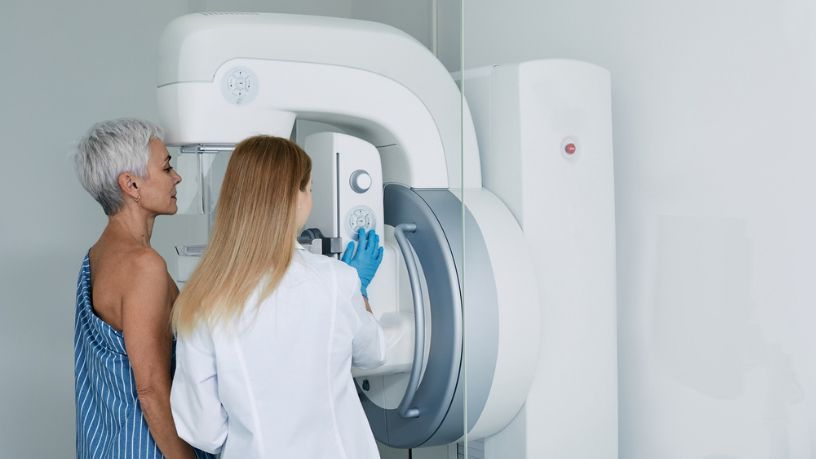
“BreastScreen Australia offers free screening mammograms to women aged 40 and over who have no breast cancer symptoms. Women aged 50 to 74 are encouraged and actively invited to have a breast screen every 2 years. Women aged 40 to 49, and 75 and over, can also have a free breast screen but are not routinely invited.”
“Some women at higher risk, due to the nature of their family history or other reasons, may require more frequent screening,” says Caitlin. “Women concerned about their risk should speak with their GP about the most appropriate screening pathway for them.”
When to speak to a GP about genetic counselling
“Most women who are diagnosed with breast cancer don't have a family history of the disease. However, family history can be important in assessing risk,” says Caitlin.
“If your family history suggests an increased inherited risk of cancer, your doctor may refer you to a family cancer clinic or genetic counselling service for further assessment.”

Self-care starts with a checkup
Make time for a health check with one of our friendly GPs.
Resources
The Cancer Council has resources to help understand more about breast cancer, its symptoms, diagnosis and treatment.
Breast Cancer Network Australia helps Australians who are affected by breast cancer receive the very best care, treatment and support.
Blua Digital health by Bupa
Blua is Bupa’s new home for digital health services like online doctor appointments and delivery of prescription items and over-the-counter goods.
At Bupa, trust is everything
Our health and wellbeing information is regularly reviewed and maintained by a team of healthcare experts, to ensure its relevancy and accuracy. Everyone's health journey is unique and health outcomes vary from person to person.
This content is not a replacement for personalised and specific medical, healthcare, or other professional advice. If you have concerns about your health, see your doctor or other health professional.
1 World Health Organisation (2026) Breast Cancer. World Health Organisation.
2 Australian Institute of Health and Welfare (2025) Breast Screen Monitoring Report. Australian Institute of Health and Welfare.
3 Breast Cancer Network Australia (2026) Genetic mutations that increase cancer risk. Breast Cancer Network Australia.
4 BreastScreen NSW (2026) Risk factors for breast cancer. BreastScreen NSW.
5 BreastScreen NSW (2026) Information for trans and gender diverse people. BreastScreen NSW.
6 Cancer Council (2026) Breast Cancer: Executive Summary Cancer Council.
You might also like
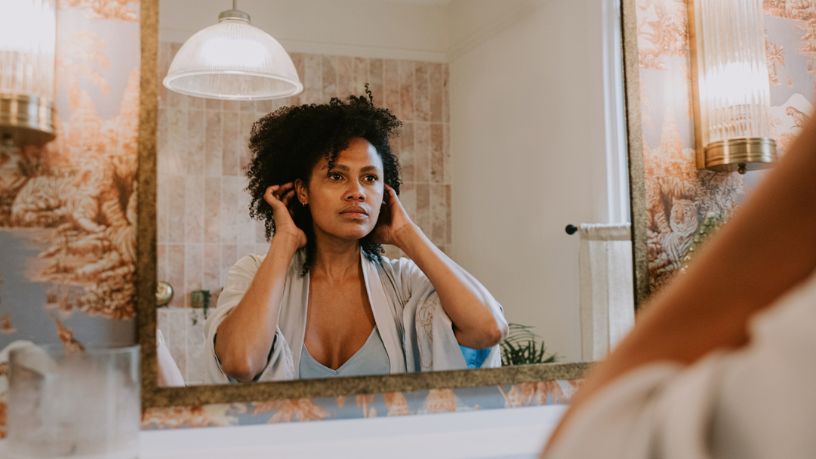
Make breast awareness a habit
Being breast aware means noticing changes as part of everyday life, without setting aside time for a formal check. Learn what’s normal for you, what changes to look for and when to speak to a GP.

What breast changes are normal
Your breasts change at different times in your life. Learn which changes are normal.
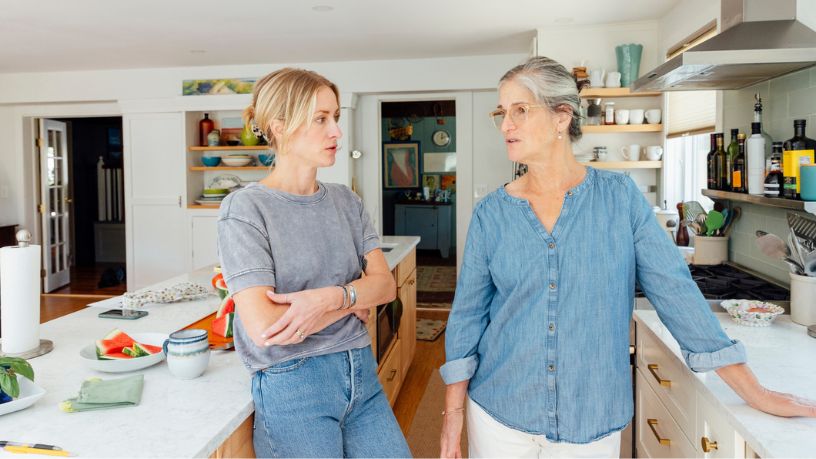
How to talk to your family about breast cancer risk
Learn how to start a family conversation, what information may be useful and how to share it with your GP.
Breast screening: What you need to know
Understand how breast screening works, its benefits and limitations, and which pathway may apply to you.