

By Blua Digital health by Bupa
On this page
Key takeaways
- Chronic inflammation can cause pain in the body.
- Certain foods can reduce inflammation, while some can increase inflammation.
- Antioxidants and Omega-3 fatty acids are important parts of an anti-inflammatory diet.
Exercise, mindfulness and medication can all help with chronic pain. But what you eat can also be an important and effective part of managing ongoing pain.
“Inflammation in the body can be more pronounced in people with chronic pain,” says Lecturer in Nutrition and Dietetics, and consultant at More Good Days, Dr Katherine Brain.
What is inflammation in the body?
Many people living with chronic pain have low-grade inflammation in their body.
“This can be triggered by certain underlying health conditions,” says Katherine. “In turn, when the inflammation processes in our body aren’t in sync, this can lead to an increase in pain.”
How do foods reduce inflammation?
Certain compounds and essential fats have specific effects on inflammation.
“Antioxidants are compounds that work like non-steroidal anti-inflammatories (ibuprofen),” explains Katherine. “They protect cells from oxidative stress, reducing their inflammatory responses. Omega-3 fatty acids can inhibit inflammatory reactions in the cells.”1
Some foods can also increase inflammation.
“Excessive sugars or fats, often found in highly processed foods, can actually trigger inflammatory markers in the body.”2
What are the best foods to reduce inflammation?
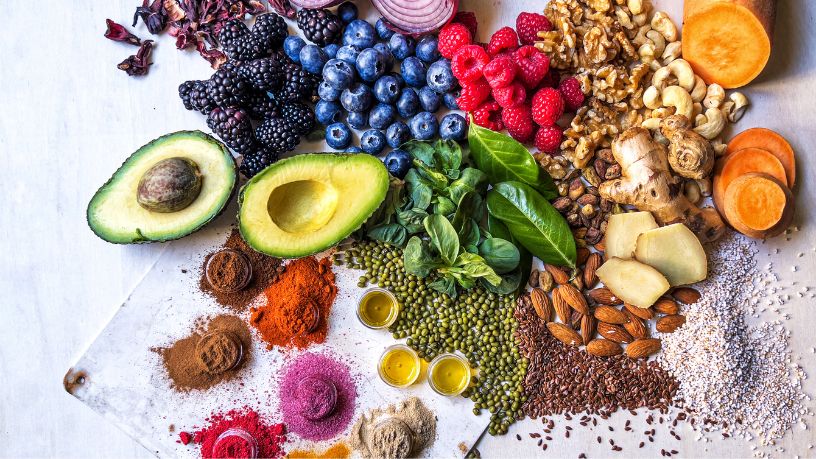
“A plant-based Mediterranean diet that’s full of the colours of the rainbow is a great place to start with helping reduce inflammation,” says Katherine.
This includes:
Fruit and Vegetables
“Any brightly coloured fruit and veg contains lots of antioxidants. These are great for reducing inflammation,” says Katherine.
Berries, spinach and kale are all rich with antioxidants. Blueberries also contain polyphenol compounds that affect inflammation pathways, helping to reduce inflammation.3
Fatty fish
“Omega-3 fatty acids are an excellent way to fight inflammation.”3
Find them in oily fish including salmon, tuna, herring, sardines, anchovies and mackerel.
Protein
While protein doesn’t have anti-inflammatory properties, it’s still an important part of managing pain.
“Many people with chronic pain may experience a decline in physical function, so they need to build up their strength,” says Katherine. “Protein is an essential part in doing this.”
It’s important to eat protein at the right time.
“It’s not enough to have a steak at the end of the day,” she says. “Small, frequent amounts throughout the day are best. Lean meats, chicken, tofu and legumes are great sources of protein. Eggs, unsalted nuts and peanut butter are easy sources too.”
Fibre
Fibre is essential for general health and to keep your gut microbiome healthy. It’s also really important for people with chronic pain.
“Taking lots of medication can cause constipation, and fibre is an important part of helping manage that. When you increase your fibre consumption, you also need to increase your water consumption. Research shows pain can be worse when you’re dehydrated.”4
Get fibre from fruit and vegetables, legumes, beans, nuts, seeds and wholegrains.
Which foods can increase inflammation?
Processed foods and refined grains can all increase inflammation.5 That can include processed meat, white bread, white rice, white pasta, sugary drinks and desserts, and fatty fried foods.
How quickly can diet have an effect on pain?
While results can vary from person to person, research shows consistently following an anti-inflammatory dietary pattern, like the Mediterranean diet, can lead to measurable reductions in inflammatory markers within about 12 weeks.6
“It’s not a quick fix but it can work,” says Katherine.
How else can food help reduce pain?
As well as thinking about what to eat, it’s important for people with chronic pain to consider how they eat, says Katherine.
“Preparing and cooking food can be difficult when you’re in a lot of pain. The best meals are ones you’ll actually prepare and eat.”
Try these ideas to make things easier:
Use frozen or tinned fruit and vegetables
“Frozen or tinned fruit and vegetables have the same, if not more nutrients, than the fresh varieties, and are very easy to prepare.”
Buy ready chopped food
“Not having to prepare food can make things much easier and quicker and minimise time in the kitchen.”
Make small, consistent changes
“If overhauling your diet feels overwhelming, you can take it slowly. Try swapping white bread for brown, or cooking with olive oil instead of sunflower oil. All these things add up and can make a difference.”

Back pain support from home with MoreGoodDays
Eligible* Bupa members can access the science-backed 8-week back pain program from home, with guided support from an allied health team.
Resources
No Money, No Time offers practical tips on eating well and a range of easy-to-follow recipes.
Blua Digital health by Bupa
Blua is Bupa’s new home for digital health services like online doctor appointments and delivery of prescription items and over-the-counter goods.

At Bupa, trust is everything
Our health and wellbeing information is regularly reviewed and maintained by a team of healthcare experts, to ensure its relevancy and accuracy. Everyone's health journey is unique and health outcomes vary from person to person.
This content is not a replacement for personalised and specific medical, healthcare, or other professional advice. If you have concerns about your health, see your doctor or other health professional.
1 Clinical Nutrition ESPEN (2024) Role of Omega-3 fatty acids eicosapentaenoic (EPA) and docosahexaenoic (DHA) as modulatory and anti-inflammatory agents in noncommunicable diet-related diseases – Reports from the last 10 year Clinical Nutrition ESPEN
2 Frontiers in Immunology (2022) Excessive intake of sugar: An accomplice of inflammation Frontiers in Immunology
3 The Heart Research Institute. (2026). The best anti-inflammatory foods, according to a dietitian. The Heart Research Institute.
4 Neuroscience News (2016) Dehydration Increases Pain Perception and Reduces Blood Flow in the Brain Neuroscience News
5 Nutrients (2023) Low-Grade Inflammation and Ultra-Processed Foods Consumption: A Review Nutrients
6 Al-Aubaidy, H. A., Dayan, A., Deseo, M. A., Itsiopoulos, C., Jamil, D., & Hadi, N. R. (2021). Twelve-week Mediterranean diet intervention increases citrus bioflavonoid levels and reduces inflammation in people with type 2 diabetes mellitus. Nutrients, 13(4), 1133.
You might also like
Top 5 anti-inflammatory foods
Inflammation can affect your health, from joints to immunity. Discover 5 foods that help fight inflammation and keep your body feeling its best.

Top anti-inflammatory foods to help reduce joint pain
Discover some of the best anti-inflammatory foods to relieve joint pain and arthritis. Learn what to eat to support healthier joints and reduce inflammation.

Taking control of chronic pain
Living with chronic pain can impact every aspect of your life. Here’s what you can do to take back the control.

Chronic pain and sleep: How to break the cycle
For those living with chronic pain, poor sleep usually comes with the territory. But it doesn’t have to. Learn how to break the cycle.