By Blua Digital health by Bupa

8 minute read
Published 27 July 2026
Blua Digital health by Bupa
Blua is Bupa’s new home for digital health services like online doctor appointments and delivery of prescription items and over-the-counter goods.
By Blua Digital health by Bupa
High blood pressure, also known as hypertension, is common in Australia with an estimated 7.2 million adults living with the condition.1 Because there are often no symptoms, high blood pressure often goes undiagnosed. Known as the silent killer, high blood pressure increases our risk of stroke and heart attack.
Starting blood pressure medication can help prevent serious illness and even death.3
“Your GP will usually recommend medication when lifestyle changes alone haven't brought your blood pressure down, or when your overall risk of heart disease is high enough that waiting isn't the safer option,” says Bupa GP, Dr Janice Tan.
If your blood pressure is 140/90mmHg or higher, you have high blood pressure.4
“High blood pressure usually has no symptoms, but over the years it damages your heart, brain, kidneys and eyes. Medication lowers your risk of heart attack, stroke and kidney disease,” says Dr Tan.
If you have high blood pressure, it's important to get treatment to prevent serious illness and even death.5
Medication prescribed to help treat high blood pressure in Australia are called antihypertensives.6
“They all work to lower blood pressure, but do so through different routes,” says Dr Tan.
Different types of blood pressure medication include:
ACE inhibitors and ARBS: Both types of medication work to widen your arteries, making it easier for your heart to pump blood around your body.
Calcium channel blockers: These stop calcium from entering your heart muscle, which widens the arteries and relieves stress on the heart.
Diuretics: Also known as fluid tablets, this medication makes you urinate more and rid your body of excess fluid, which can cause pressure in your blood vessels and heart.
Beta blockers: Blocking the effects of adrenaline, this medication can help slow the heart rate and relieve artery stress.7
“Many people end up on a low dose of 2 medicines rather than a high dose of one. This often works better and causes fewer side effects,” says Dr Tan.
Several factors will influence what type of blood pressure medication your doctor recommends, says Dr Tan.
“Your other health conditions matter most. For example, ACE inhibitors are often preferred if you have diabetes or kidney disease, while some medicines are avoided in pregnancy.
“Your age, kidney function, other medications, previous side effects and even how your body responded to a medicine in the past all shape the choice.”
All types of medication can cause side effects, but not everyone will experience them.6
“Most people have few or no side effects, and many settle within a couple of weeks,” says Dr Tan. “Don't stop a medicine on your own if something bothers you. There are plenty of alternatives, so tell your GP, and they can adjust the dose or switch you to something that suits you better.”
Side effects from ACE inhibitors and ARBs can include:
Side effects from calcium channel blockers can include:
Side effects from diuretics can include:
Side effects from beta blockers can include:7
“Some people will need to stay on blood pressure medication for life because the medication controls high blood pressure rather than curing it. Stopping usually means your blood pressure climbs back up,” says Dr Tan.
Others may be able to stop taking medication, but should only do so under the strict care and guidance of their prescribing doctor. It can be harmful to stop taking medication suddenly, so always talk to your doctor before making any changes.
Lifestyle medicine can also help to lower blood pressure and reduce your risk of heart attack and stroke.
While your doctor can advise on what is a healthy weight for you, almost any excess weight loss could help to lower you blood pressure. Blood pressure is measured in millimetres of mercury (mm Hg). On average, blood pressure may decrease by about 1 mm Hg for each kilogram of weight lost.8
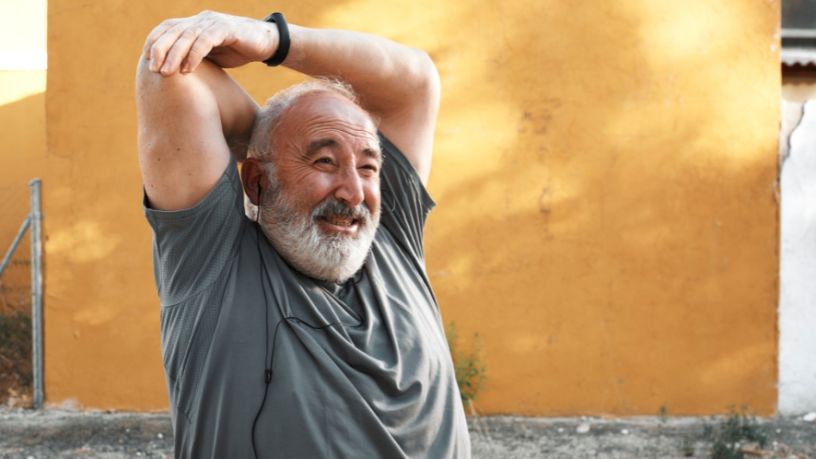
Doing 30 minutes of moderate intensity exercise every day could help to lower your blood pressure by 5-8 mm Hg.8 Speak to your doctor before starting any new exercise to make sure it’s safe for you.
Limiting sodium to 1500mg a day can help lower blood pressure by 5-6 mm Hg.8 Avoid adding salt to food, read food labels and look for low-sodium varieties of food and drink and eat less processed food that tends to be higher in sodium.
As well as increasing blood pressure, alcohol can negatively impact how blood pressure medication works.8 If you do choose to drink alcohol, limit the amount and have more alcohol-free days each week than drinking days.
Call us on 1300 030 238 (Mon-Fri, 9am-5pm AEST) to speak with one of our health professionals or register for a call back to find out what programs are available to you.
At Bupa, trust is everything
Our health and wellbeing information is regularly reviewed and maintained by a team of healthcare experts, to ensure its relevancy and accuracy. Everyone's health journey is unique and health outcomes vary from person to person.
This content is not a replacement for personalised and specific medical, healthcare, or other professional advice. If you have concerns about your health, see your doctor or other health professional.
1 Australian Institute of Health and Welfare. (2026). Hypertension in Australia. Australian Government.
2 American Heart Association. (2025). What is high blood pressure?
3 British Heart Foundation. (2021). Lowering blood pressure is even more beneficial than previously thought.
4 Health Direct. (2024). High blood pressure and how to lower it.
5 American Heart Association. (2025). Health threats from high blood pressure.
6 Health Direct. (2024). Blood pressure medicines.
7 Mayo Clinic. (2025). Beta blockers.
8 Mayo Clinic. (2026). 10 ways to control high blood pressure without medication.
Not sure how to read your blood pressure levels? This chart can help you understand the different blood pressure ranges for adults.
High blood pressure (hypertension) is a serious health condition, but there are some simple lifestyle changes you can make to keep it under control.
Did you know that some foods can actually reduce cholesterol and keep your heart healthy? Find out how and try eating more heart healthy foods.
Can a few drinks really increase blood pressure?
Bupa acknowledges and shows respect to the Traditional Custodians of Australian land. We pay our respects to Elders past and present and recognise their cultural heritage, beliefs, and continuing connection to land, waters, and community. We embrace their knowledge on how to protect and nurture these lands, and all they contain, to keep this country and people healthy.