
By Blua Digital health by Bupa
On this page
Key takeaways
- At 71, Vicki thought the lump she found on her breast was nothing to worry about because of her age.
- A follow-up screening found a second cancer she couldn’t feel herself.
- Vicki now wants to see more women talking openly about breast cancer.
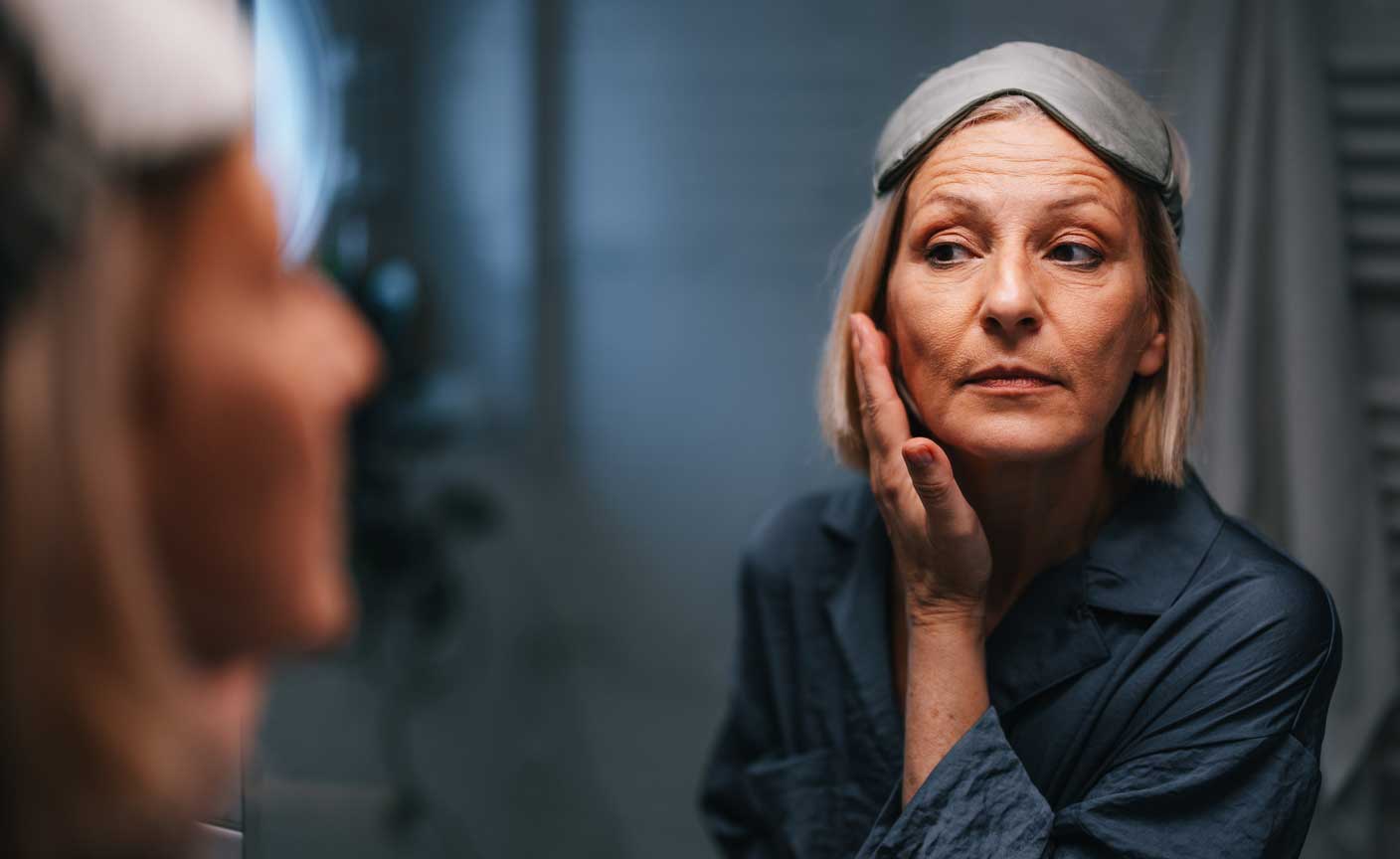
When Vicki Tennant found a small hard lump halfway between her breast and collarbone in the winter of 2024 her first thought wasn’t cancer.
“I was fit and healthy, had no family history of breast cancer and after a lifetime of doing self-checks and screenings I never imagined I would get breast cancer,” says Vicki. “About 6 months later I had my regular mammogram, and I remember thinking this might be my last one. Surely, I was too old to worry about breast cancer now.”
A breast screen recall she didn’t rush back for
As a fit 71 year old Vicki, an organisational psychologist and mum of 2 daughters and one son, was busy getting ready for a holiday to Sri Lanka when her regular mammogram popped up in her diary.
“I had always taken an interest in health. I read a lot and stayed fit with long walks and bike rides. I had regular check-ups with my GP and stayed on top of all my health checks. Breast cancer just wasn’t on my radar. None of my friends or family had ever had it and when I went for my mammogram in September 2024 I thought it would be my last one.”
When Vicki was called back to have a follow-up breast screening, she wasn’t concerned and didn’t rush back from her trip, pushing the appointment until after she returned to Australia.
“I was on holiday, and honestly, I was just in denial that it could be anything. The recall appointment felt like a bit of a nuisance. Despite still having the lump, because it wasn’t sore and didn’t bother me, I never imagined it could be anything serious.”
But as Vicki went through several tests on her return to the BreastScreen NSW clinic, she started to worry.
“I thought it would take about an hour, but they were still running tests 3 hours in. I had an ultrasound and they did number of biopsies which were really sore once the local anaesthetics wore off. They obviously knew what they were looking at even then. I went into a kind of fog. I just kept thinking about the lump and wondering why I hadn’t done something sooner.”
Treatment and recovery
After a stressful wait, 3 days later Vicki got a call from her GP with her results.
“I had 2 different types of breast cancer, hormone positive ductal and lobular. At the time I thought breast cancer was breast cancer and had no idea of all the types which mean different things in terms of treatment and prognosis.”
“One of the cancers was only picked up thanks to the recall appointment and wasn’t something I could have felt myself,” says Vicki.
“From that day the health system just kicked in. Within one week I’d had appointments with the Chris O’Brien Lifehouse, a hospital dedicated to cancer treatment, and St Vincents’ Hospital in Sydney. I needed surgery and radiation.”
While Vicki describes herself as “very lucky” the reality of breast cancer was tough.
“I’m a stoic person and I just dealt with it, but cancer changes your whole pace of life aggressively. There are so many appointments and tests, I had daily radiation for 3 weeks and 2 surgeries 8 months apart.”
What surprised Vicki the most was the number of women she knew who revealed they had also had breast cancer.
“Before I was diagnosed I didn’t think any of my friends had been through breast cancer. As I started telling people, so many women told me that they too had been diagnosed a few years before. But no one had talked about it.”
Getting healthy again
Almost 2 years on from her original diagnosis, Vicki is feeling good.
“I did a 500km walk in France in May, so yes, I am feeling much better. But cancer takes its toll. I have to stay on medication for 5 years and have noticed changes in my skin and hair. I’m also more worried about aches and pains now and will get things checked out, whereas once I might have left it.”
Vicki also underwent genetic tests to find out if she carried a breast cancer gene that may have been passed on to her children and grandchildren. She was relieved to learn that she doesn’t.
And, while Vicki is busy with family, friends and work, she feels passionate about keeping breast cancer out in the open and something all women know about.
“Early detection played a huge role in how I recovered and how well I am now which shows how important it is that women check their breasts and have regular screenings.”
“It’s also really important that we know how to check our own breasts and to know what to look for. Even though I did regular self-checks, I didn’t really know how to do them thoroughly. It was only after my diagnosis, treatments and follow ups when I had many, many checks that I paid attention to how doctors do them.”
The biggest message Vicki wants to share is that breast cancer is a serious health issue for older women.
“Although I’d been vigilant about my breast screenings I really thought when I hit 71 I was done. I remember thinking, I don't need to worry about breast cancer anymore. It was only once I was diagnosed that I realized that the most common age for diagnosis is over 50, and that risk goes up as we age.”
This article contains one person’s experience with breast cancer. Individual circumstances differ and the information is not intended as medical advice. If you have concerns about your health, seek advice from your doctor or other qualified healthcare professional.
Self-care starts with a checkup
Make time for a health check with one of our friendly GPs.
Useful resources
BreastScreen Australia provides a free mammogram to women over 40 every 2 years. Women aged 50-74 are actively encouraged to screen. Make an appointment online or call 13 20 50.
Blua Digital health by Bupa
Blua is Bupa’s new home for digital health services like online doctor appointments and delivery of prescription items and over-the-counter goods.
At Bupa, trust is everything
Our health and wellbeing information is regularly reviewed and maintained by a team of healthcare experts, to ensure its relevancy and accuracy. Everyone's health journey is unique and health outcomes vary from person to person.
This content is not a replacement for personalised and specific medical, healthcare, or other professional advice. If you have concerns about your health, see your doctor or other health professional.
You might also like

How to check for breast cancer
The better you know your breasts, the more likely you’ll be to notice any changes. Learn how to check for the signs of breast cancer at home.
Health checks and screening at every stage of life
It’s important to make sure you get the right health checks throughout your life, from your 20s to your 50s and beyond. Check out our guide to learn more.

Genetic testing: Unlocking the secrets of your health
Genetic testing could help you understand your risk of developing a range of health conditions. So how does it work?
5 ways women can support healthy ageing
Small changes to your daily life can have a big impact on your health as you age. Discover 5 ways to support women’s healthy ageing.