Skip to contentSkip to footer

Unlock your medication blueprint

When it comes to medications, we all react differently, and the reason is in our DNA.

Everyone has variations in their DNA and these can affect how your body processes certain medications. Identifying and understanding these differences is central to pharmacogenomics.

A simple test can check whether your DNA variants are likely to affect your response to over 100 medications.

Blua has partnered with myDNA to offer discounted pharmacogenomics test kits, to help you discover what treatments work best for you.


Doctor talks to a patient about their DNA test results.

Blua myDNA logos

Treatment tailored to your DNA

Your test results may help your doctor to determine more effective, personalised treatments in areas including:

Mental health
Mental health
Mental health
Heart health
Mental health
Pain
management
Mental health
Gastrointestinal
issues

This testing service is run by myDNA1, an established Australian precision health company that aims to improve people's health by identifying DNA variants that are likely to affect your response to over 100 medications. Your test results and report won't be shared with Bupa health insurance, and won't impact your health insurance premiums in Australia.

Order your test kit

Order your test kit

Order now to get a special rate of $149 plus postage through Blua. myDNA usually charges $198 for this test. To discuss your results, you'll need to make an appointment with your GP, which will be at your own expense.

This offer is available to everyone - not just Bupa members. Available to Australian addresses only. People being tested must be 18 or over.2

By proceeding, you confirm you've read and agree to your information being handled as described in the privacy notice, including to the handling of your name, delivery details and payment details by myDNA and its partners, which may be located outside of Australia.


Benefits

People group icon

95% of people have drug-gene variants

Almost 95% of people carry at least one genetic variation that affects their response to certain drugs.3

Medication tablets icon

Lower risk of medication side effects

In Australia, medication side effects lead to around 250,000 hospital admissions each year. Pharmacogenomics could help your doctor avoid prescribing medication that is more likely to cause side-effects for you.4

Nurse icon

70% of Australians have had prescription medication

Over 17 million Australians received prescription medications between 2022–23.5

Doctor talks to a patient

Your health. Your genes. Your plan.

Your report will be sent to your nominated doctor. It may potentially help them to prescribe medication that has:

  • a lower risk of side effects
  • a better chance of being effective
  • reduced likelihood for trial and error with multiple medications.

a lower risk of side effects a better chance of being effective reduced likelihood for trial and error with multiple medications.

One test. Lifetime relevance.

While we can't predict the future, you and your doctor can be better prepared for your health journey.

Your pharmacogenomics report gives insights that can help guide future treatment decisions.

This is because your pharmacogenomics test is based on your genetics, which stay the same throughout your life.

How to get your test kit

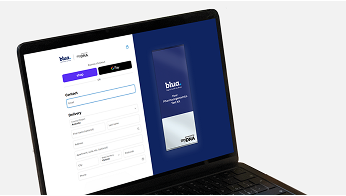
A laptop open to the myDNA website.

Step 1: Order

Order your pharmacogenomic test and complete the online checkout process.

An envelope with the myDNA logo on it.

Step 2: Swab and register

Register your kit and take a simple cheek swab. Remember to complete your registration online before returning the swab using the provided pre-paid envelope.

A doctor in a lab coat with a stethoscope around her neck talks to patient about his results.

Step 3: Results

Results are released to your nominated GP to provide insights to help you and your medical practitioners make informed decisions about your health.

Please note: Consultations will be at your own expense.

Order your test

Coming soon...

Preventive health testing

Know your genetic risks of developing certain diseases down the track, so you can take the right actions for your health.

An older woman sits with a young girl in a greenhouse, looking at a capsicum plant.

Frequently asked questions

Your pharmacogenomics test report and results won't be shared with Bupa Health Insurance, and won't impact your health insurance premiums in Australia.

Blua does receive information from myDNA about whether you're a Bupa health insurance member who's taken up this promotional offer.

Blua also communicates with Bupa Health Insurance to verify your membership details, so you can access this promotion if you're eligible.

Australia's private health insurance (PHI) is based on a system of community rating. This means everyone pays the same premium for their health insurance, and under Australian law, health funds can't discriminate against members based on factors like health status, age or claims history.

Your reports and genetic data are handled by myDNA, the provider that Blua has partnered with to provide the pharmacogenomics testing service. Your DNA sample will be destroyed by myDNA 90 days after your pharmacogenomics testing. To see how myDNA handles your personal information and genetic information, read the myDNA privacy policy.

This is a pharmacogenomics test, which checks how your DNA variants are likely to affect your response to over 100 medications. It won't identify whether you're susceptible to genetic conditions or illnesses.

A simple test can check whether your DNA variants are likely to affect your response to over 100 medications.

This may help your doctor make an informed decision when they first decide on treatment for you, or guide them in making changes to treatment you're already receiving.

Your individual response to medication doesn't just depend on your DNA. Other factors can impact whether a medication is effective or not and at what dose, including general health, age, gender, weight, and environmental factors.

PGx testing looks for specific genetic variants that might affect your response to over 100 medications. Talk to your healthcare practitioner to find out if testing may help you.

Don't eat, drink, smoke, vape, brush your teeth or chew gum for 30 minutes before taking the test.

No, carry on taking your current medication as prescribed. Any medications you're taking won't influence the test results.

Your DNA sample will be destroyed 90 days after testing.

The test looks for specific genetic variants that influence how your body processes medications.

There are specific enzymes in your body (and especially your liver) that help to break down medications.

The way a drug affects you may be influenced by how these enzymes work, which is influenced by unique genetics.

Understanding your genetic makeup could help healthcare providers to design treatments that are more likely to be effective, or have fewer side effects for you.

This personalised approach could help reduce the trial-and-error process that can sometimes be associated with finding the right treatment.

The test requires you to provide a DNA sample through straightforward and non-invasive swab, collected into a tube. You'll then post your swab to myDNA's laboratory using the pre-paid packaging included in your kit.

Testing typically takes around 10 business days. Once your results are ready, myDNA will send them to your nominated healthcare provider, and send you an email.

From there, you'll book a consultation with your healthcare professional so they can talk you through the results. You may need to pay for this consultation.

A simple test can check whether your DNA variants are likely to affect your response to over 100 medications.

This may help your doctor make an informed decision when they first decide on treatment for you, or guide them in making changes to treatment you're already receiving.

1. myDNA manufactures, supplies and sponsors the pharmacogenomics test kit and testing services.

2. Limited to people in Australia 18 years and over. Reasonable limits apply.

3. Royal College of Pathologists of Australasia, Why GPs and specialists need to know about pharmacogenomics, accessed 23 April 2025

4. Australian Genomics, Research Priorities for Australian Pharmacogenomics, accessed 15 August 2025

5. Australian Institute for Health and Welfare, Medicines, accessed 15 August 2025