Drinking enough water is as important as fuelling up with the right food.
By Nick Green Dietitian

5 minute read
Published 11 April 2024
Drinking enough water is as important as fuelling up with the right food.
Get professional advice if you are undertaking a long event.
If you don’t eat before you exercise, you’ll be running on empty. This generally means you’re unable to train as efficiently.
Here are some small meal/snack options to consider before a training session.
Sports Dietitians Australia can help you find an accredited sports dietitian near you.
Nick Green Dietitian
Nick is a dietitian with an interest in health, nutrition and physical activity.
By Nick Green Dietitian
Nutrition is a key part of the preparation and recovery of a sports event.
Whether you’re having a crack at a fun run, or maybe even your first full marathon, physical training programs alone can only get you so far. For the best shot at success, make sure you have your nutrition-thinking cap on before, during and after your training so you can perform and recover.
You could try:
Choose something lighter that will be faster to digest, such as a:
If your exercise is under one hour, you don’t need to focus on refuelling as you’re not significantly draining your glycogen (glucose) stores. Just make sure you stay hydrated with water.
If you’re looking to push that bit further with any event over an hour (such as running in a half or full marathon), you should refuel with 30 to 60 grams of carbohydrates per hour.
Some foods that provide approximately 30g carbohydrates include:
Exercise can put your body under some strain. This triggers your body to adapt and grow to take on future challenges. Nutrition plays a huge role in driving your ability to perform better during exercise, and helps you refuel, repair and rehydrate during recovery.
When you’re exercising, your body draws on its reserves of glucose, stored in your liver and muscles as glycogen. To refuel, you need to replace your glycogen stores, particularly in the first hour after exercising. Carbohydrates are an important food source to replace your glycogen.
To repair, you’ll need dietary protein so you can help your muscles heal and grow.
To rehydrate efficiently, find out how much fluid you’ve lost by jumping on the scales before and after exercise. Each litre of water equals one kilogram, and ideally you want to aim to replace with 120% to 150% of the fluid you lose over the next few hours.
A good recovery meal should include quality carbohydrates, lean protein and water or fluids. This could include:
If you’re looking for a nutrition plan to support your training, it’s best to work with an accredited sports dietitian.
At Bupa, trust is everything
Our health and wellbeing information is regularly reviewed and maintained by a team of healthcare experts, to ensure its relevancy and accuracy. Everyone's health journey is unique and health outcomes vary from person to person.
This content is not a replacement for personalised and specific medical, healthcare, or other professional advice. If you have concerns about your health, see your doctor or other health professional.
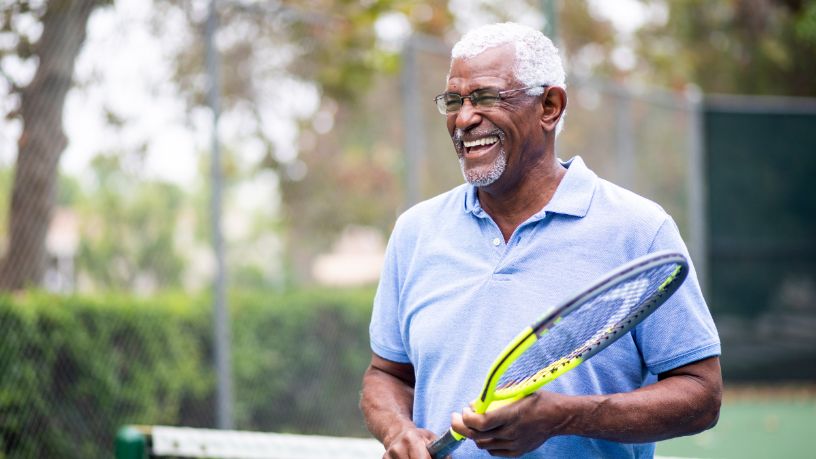
From heart health and healthy ageing to stress relief and stronger social connections, tennis delivers benefits far beyond the court.
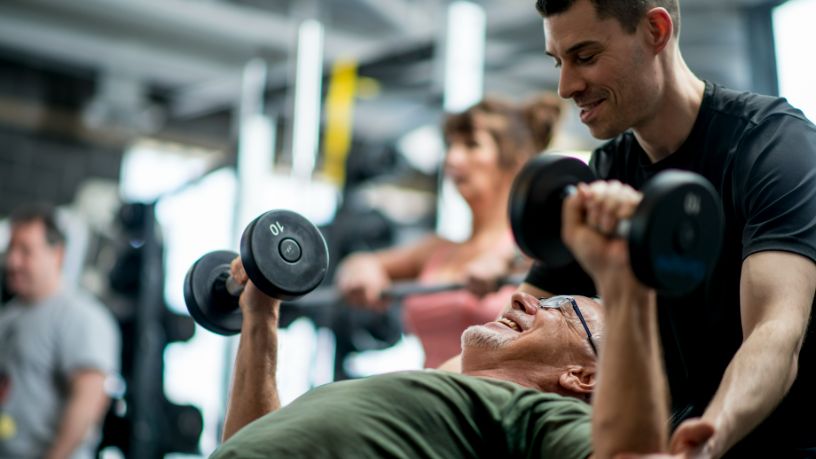
Starting a fitness journey can be overwhelming, especially when you’re trying something new. Discover the basics and benefits of resistance training.
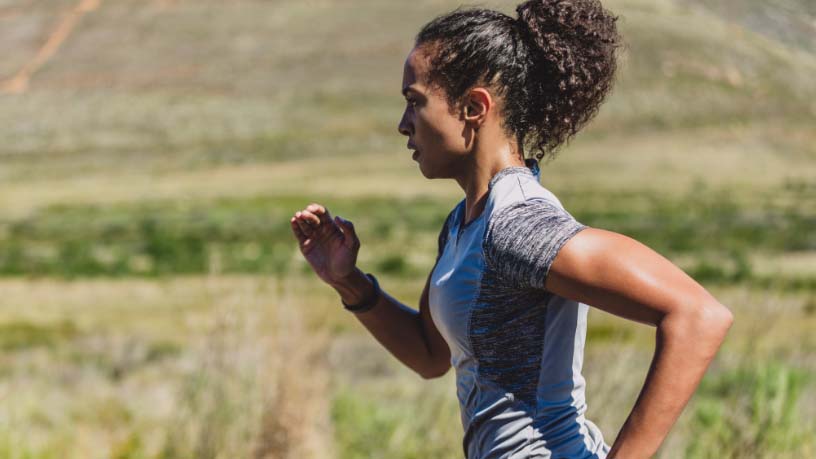
Taking up running can seem daunting, so here are 5 top tips to help you boost your confidence, change your mindset, and get real about running.
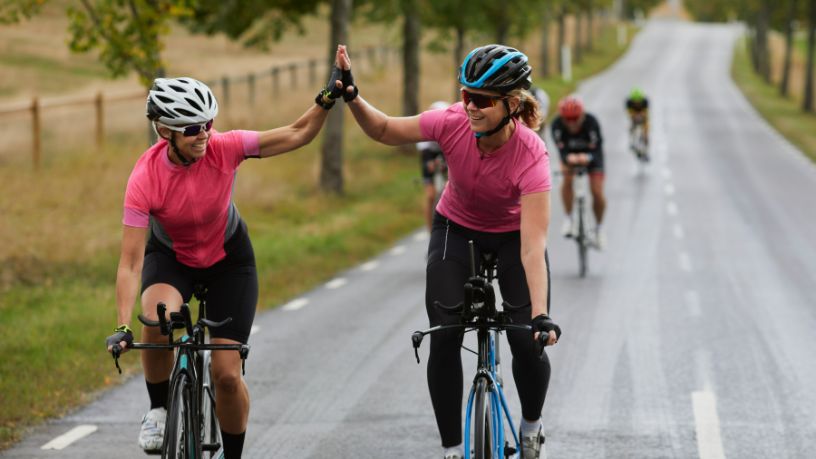
If you’ve set yourself some personal goals this year, these tips could be the inspiration you need to start making a positive long-term change in your life.
Bupa acknowledges and shows respect to the Traditional Custodians of Australian land. We pay our respects to Elders past and present and recognise their cultural heritage, beliefs, and continuing connection to land, waters, and community. We embrace their knowledge on how to protect and nurture these lands, and all they contain, to keep this country and people healthy.