
By Blua Digital health by Bupa
On this page
Key takeaways
- High cholesterol can affect your eye health in many ways, in some cases causing vision problems.
- Warning signs include pain and swelling in the eye or any change in your vision.
- See your GP or talk to your optometrist if you have any questions about cholesterol and eye health.
When you think about the impact of high cholesterol, you probably think of how it affects your heart health. But did you know that high cholesterol can also impact our eyes and eyesight?
Learn more about the link between high cholesterol and eye health and how a simple eye check could help you pick up on potential health problems.
What is cholesterol?
Before we talk about how high cholesterol1 can impact your eye health, it’s important to know that there are different types of cholesterol in the body, and they’re not all bad for us.
In fact, HDL cholesterol, which is produced in the liver and small intestine is essential for flushing out bad cholesterol and keeping us healthy.
Bad or LDL cholesterol is the stuff you don’t want. LDL cholesterol, which is also produced naturally in the body, can become excessive due to things like a lack of exercise, smoking and a diet high in saturated and trans fats, think deep fried and ultra processed meats and other foods.
LDL cholesterol can cause a fatty substance called plaque to build up in your arteries which makes it harder for your heart to pump blood around the body.
“Similarly, too much LDL cholesterol can also impact eye health because it can cause blockages in the blood vessels that transport blood to the eye,” says Karen Makin, Head Optometrist at Bupa.
How can cholesterol impact your eye health?
Cholesterol can affect your eye health2 in several ways.
Xanthelasmas
Appearing as flat or slightly raised yellow-ish areas of skin around the eyes and nose, xanthelasmas are linked to high cholesterol.
This is more common in women; other risk factors include:
- Being overweight or obese
- Smoking
- High blood pressure
- Diabetes.
Xanthelasmas do not impact vision.
Arcus senilis
Presenting as a blue, white or light grey ring around the iris (coloured part of your eye), arcus senilis is a discolouration but does not impact your ability to see. Common in older men, the condition can affect anyone, and family history can increase risk. When it appears in young people it is almost always caused by high cholesterol.
Retinal vein occlusion
When the retinal vein and retinal artery become blocked due to high cholesterol, it can cause a condition like a stroke in the eye. Swelling occurs which is caused by blood and fluid in the retina.
“Unlike a stroke in the brain, retinal vein occlusions aren’t painful or immediately obvious,” says Karen. “People will usually notice there has been a change to their vision as the first sign, either a cloudiness or a slight red or brown tinge due to the haemorrhage.”
Symptoms include:
- blurred vision
- change in vision
- floaters in vision
- pain in the eye.
This condition can cause nerve cells in the eye to die which can cause or worsen affected vision. It’s important to reduce cholesterol, blood sugar and blood pressure to lessen the risk of another retinal vein occlusion.
“Sometimes vision comes back as the underlying condition is treated,” says Karen. “If the damage is permanent, which is quite often, people may see some improvement over time.”
Most common in people over 50 years of age, those with diabetes and glaucoma and people with high cholesterol, treatment can include injections or laser therapy.3
Warning signs to look out for
If you notice any change in your vision, it’s important to see your GP or ophthalmologist immediately.
Equally any pain, swelling or discharge from the eye should be investigated by your GP.
“If you start to see raised yellow bumps around the eye or see a blueish-grey circle around the coloured part of the eye, this may indicate high cholesterol and it’s important to get that checked,” says Karen.
While xanthelasmas do not cause any change to your vision, the impact on your appearance may be distressing to some. A dermatologist may be able to recommend laser treatment or surgical removal.
“It’s worth noting that people may have high cholesterol and see no symptoms so getting regular eye and health checks with your optometrist and GP is still the right thing to do,” says Karen.
Book an eye test
Find and book your preferred spot at your local Bupa Optical store.
Can a regular eye health check detect high cholesterol?
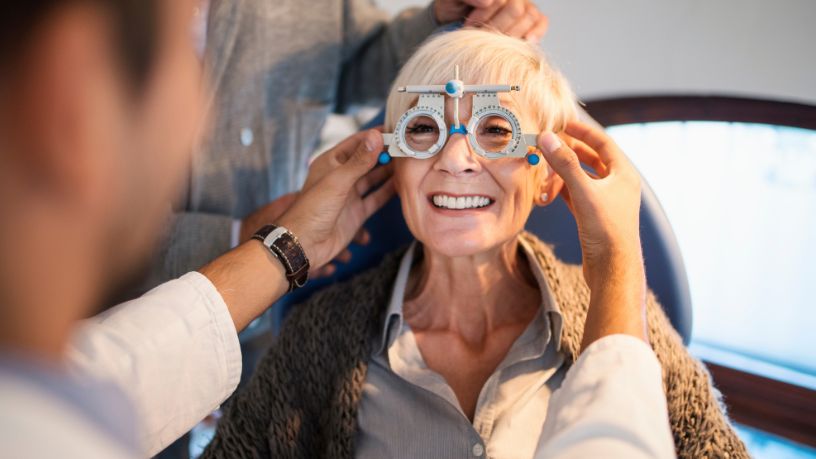
It’s recommended that healthy adults over the age of 40 get annual or bi-annual eye health checks, both to help detect any eye health issues and protect vision as we age.4
People over the age of 65, and those who have diabetes, high blood pressure or a family history of eye disease may need to get checked more regularly.
A general eye health check with your optometrist will identify any issues early on and help prevent more serious or long-term conditions.
“A routine eye health check examines all the different parts of the eye and we are looking for any sign of unusual changes that may indicate a health issue,” says Karen.
“The eye is the only part of the body where we can see blood vessels without cutting anyone open, so eye health checks are a great way to stay on top of your health.”
How can I protect my vision from high cholesterol?
It is important for your eye health and your overall wellbeing to keep your cholesterol in check.
The best ways to do this include:
- Not smoking
- Regular exercise
- Maintaining a healthy body weight
- Eating a diet low in trans and saturated fats.
If you are concerned about high cholesterol, ask your GP about testing and ways to manage cholesterol at home.
You can look after your general eye health by:
- Getting annual or bi-annual eye health checks
- Wearing sunglasses in bright sunlight
- Wearing protective eyewear when needed
- Eating a well-balanced diet rich in vitamins and nutrients
- Taking regular breaks from screens
- Spending time outside.
Talk to your GP or optometrist about any concerns you have about high cholesterol or eye health.
Your free Microvascular Health Assessment
A Microvascular Health Assessment (MHA) uses AI to help predict the risk of developing cardiovascular disease within the next 5 years. MHA is now free for current Bupa Members aged 40 to 80 and can be added to your regular eye test.
Blua Digital health by Bupa
Blua is Bupa’s new home for digital health services like online doctor appointments and delivery of prescription items and over-the-counter goods.
At Bupa, trust is everything
Our health and wellbeing information is regularly reviewed and maintained by a team of healthcare experts, to ensure its relevancy and accuracy. Everyone's health journey is unique and health outcomes vary from person to person.
This content is not a replacement for personalised and specific medical, healthcare, or other professional advice. If you have concerns about your health, see your doctor or other health professional.
1 Better Health Channel. (2022). Cholesterol. Victoria State Government.
2 Very Well Health. (2024). High Cholesterol and the eyes: Signs and symptoms.
3 Macular Disease Foundation Australia. (2025). Retinal vein occlusion.
4 Health Direct. (2024). Eye tests.
You might also like
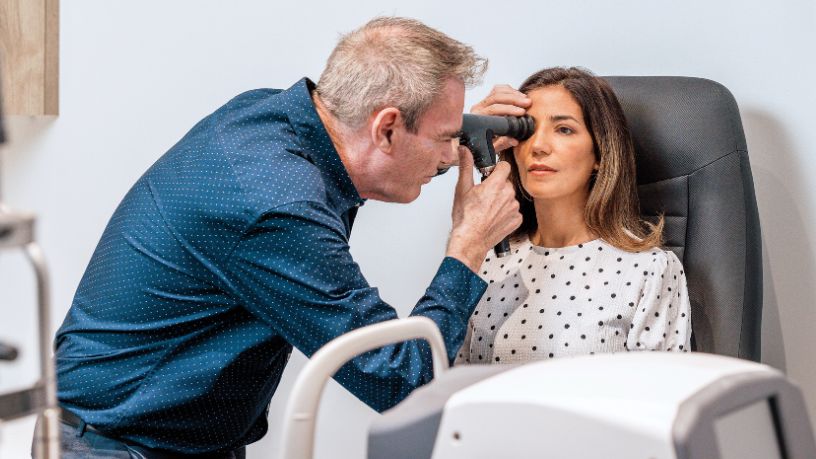
How an eye test could save your life
Did you know that a routine eye check can detect serious health conditions? Find out how this non-invasive test could help you protect your health.
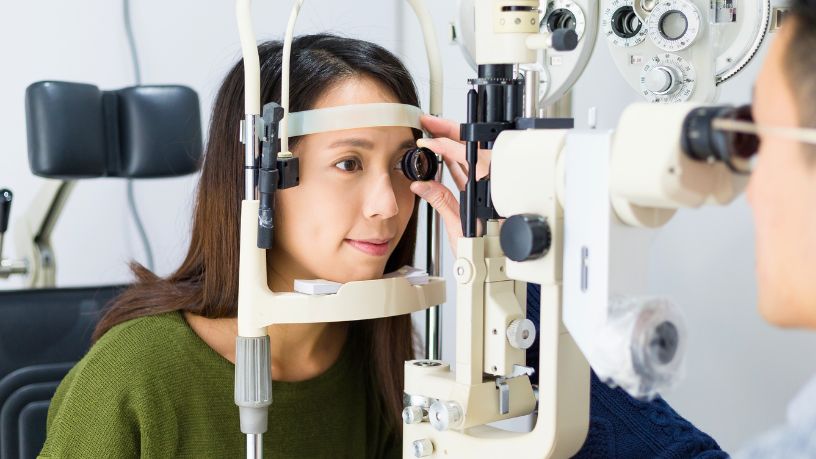
Eye checks: A health essential
Getting to the optometrist every 2 years might not always be at the top of your mind, but did you know an eye check can detect more than just vision loss?
Eye tests: A window to your heart health
Are you getting your eyes checked regularly? Find out how a routine eye test could help detect risk factors for heart disease.

Health checks and screening at every stage of life
It’s important to make sure you get the right health checks throughout your life, from your 20s to your 50s and beyond. Check out our guide to learn more.